Foundation nft Is a Creator Marketplace and Auction Primer
Foundation nft Is a creator-focused NFT marketplace where digital artists, collectors, and curators can discover tokenized artwork, follow profiles, and participate in marketplace sales or auctions. It is best understood as a web3 art venue rather than a guaranteed investment tool: users connect a crypto wallet, review creator pages, inspect item details, understand fees, and verify current rules with official sources before buying, bidding, minting, or listing.
Foundation nft sits in the broader world of Ethereum-based digital collectibles, where an artwork can be associated with a token recorded on a blockchain. The token does not automatically give every copyright or commercial right to the buyer, so the practical value depends on the listing terms, the creator’s reputation, the artwork itself, marketplace demand, and the collector’s own goals. For many people, Foundation nft is less about quick speculation and more about browsing curated visual work, learning auction mechanics, and understanding how creator marketplaces differ from ordinary image galleries.
Foundation nft can be approachable, but it still asks users to think carefully. A wallet signature can approve a transaction, a bid may lock in a serious purchase intention, and gas or platform costs can change with network conditions. The safest first step is to treat the marketplace like a live financial and technical environment: observe listings, compare similar works, read every prompt, and confirm current policies before taking action.
What is Foundation nft?
Foundation nft is commonly searched by people who have seen Foundation mentioned in relation to NFT art, creator drops, or one-of-one auctions. In plain terms, it is a marketplace experience built around creators and collectors rather than a traditional retail storefront. A creator may present a profile, organize works, and make pieces available through the marketplace, while a collector can browse, follow, place bids, or buy depending on the sale format available for that item.
Foundation nft belongs to the same family of web3 services as NFT marketplaces, minting tools, crypto wallets, and blockchain explorers. The important distinction is that the marketplace interface is only one part of the experience. The token record lives on a blockchain, wallet activity happens through a user-controlled address, and the artwork metadata may rely on storage systems and marketplace presentation layers. That means a user should understand both the creative side and the technical side before treating a listing as meaningful.
Foundation nft is also a brand-specific phrase people use when they want to find Foundation’s NFT marketplace, learn whether an artist is active there, or understand how an auction might work. This page is not affiliated with the platform. It is an educational guide for evaluating creator marketplace basics, common workflows, and the safety checks that matter before connecting a wallet or committing funds.
How does Foundation nft work for creators and collectors?
Foundation nft works through a few connected actions: a creator prepares a digital work, the marketplace displays it with sale information, and a collector interacts through a compatible crypto wallet. When a transaction is completed, the blockchain records ownership of the token according to the smart contract rules. The user interface may make this feel simple, but the underlying steps are still crypto transactions that can be hard or impossible to reverse.
Foundation nft listings usually depend on wallet connection, token metadata, sale type, and marketplace rules. A creator profile can help collectors judge context, but a profile alone should not be treated as proof of authenticity. Collectors often look for linked social accounts, past sales, consistent artwork style, collection history, and signs that the creator is the actual source of the work. Those checks are basic due diligence, not guarantees.
In practice, Foundation nft can involve fixed-price sales, auctions, editions, or other sale mechanics depending on what the platform currently supports. Because NFT marketplaces change features over time, users should verify the current workflow directly in the live interface before acting. A guide can explain the concepts, but the official screens and transaction prompts are what determine the real action a wallet is about to sign.
What can artists use Foundation nft for?
Foundation nft is often associated with digital art presentation, especially work that benefits from a creator profile and a collector audience. Artists may use an NFT marketplace to publish one-of-one pieces, experimental visuals, motion art, generative work, photography, or limited digital editions. The marketplace can act as a public portfolio, a sales channel, and a record of collector activity around a creator’s work.
Foundation nft may also help artists frame a release as an event. A timed auction, a carefully written work description, and a coherent profile can give collectors context that a simple image upload would not provide. This does not mean every work will sell or that every auction will attract bids. It means the platform can give creators tools for presenting scarcity, provenance, and sale terms in a web3 format.
Foundation nft should still be approached with realistic expectations. Building demand for digital art usually requires a body of work, public credibility, audience trust, and consistent communication. Minting a token does not create a collector base by itself. Artists should also think about pricing, file quality, metadata, rights language, tax implications, and the long-term responsibility of maintaining their public identity around the work.
How do auctions and bids work on Foundation nft?
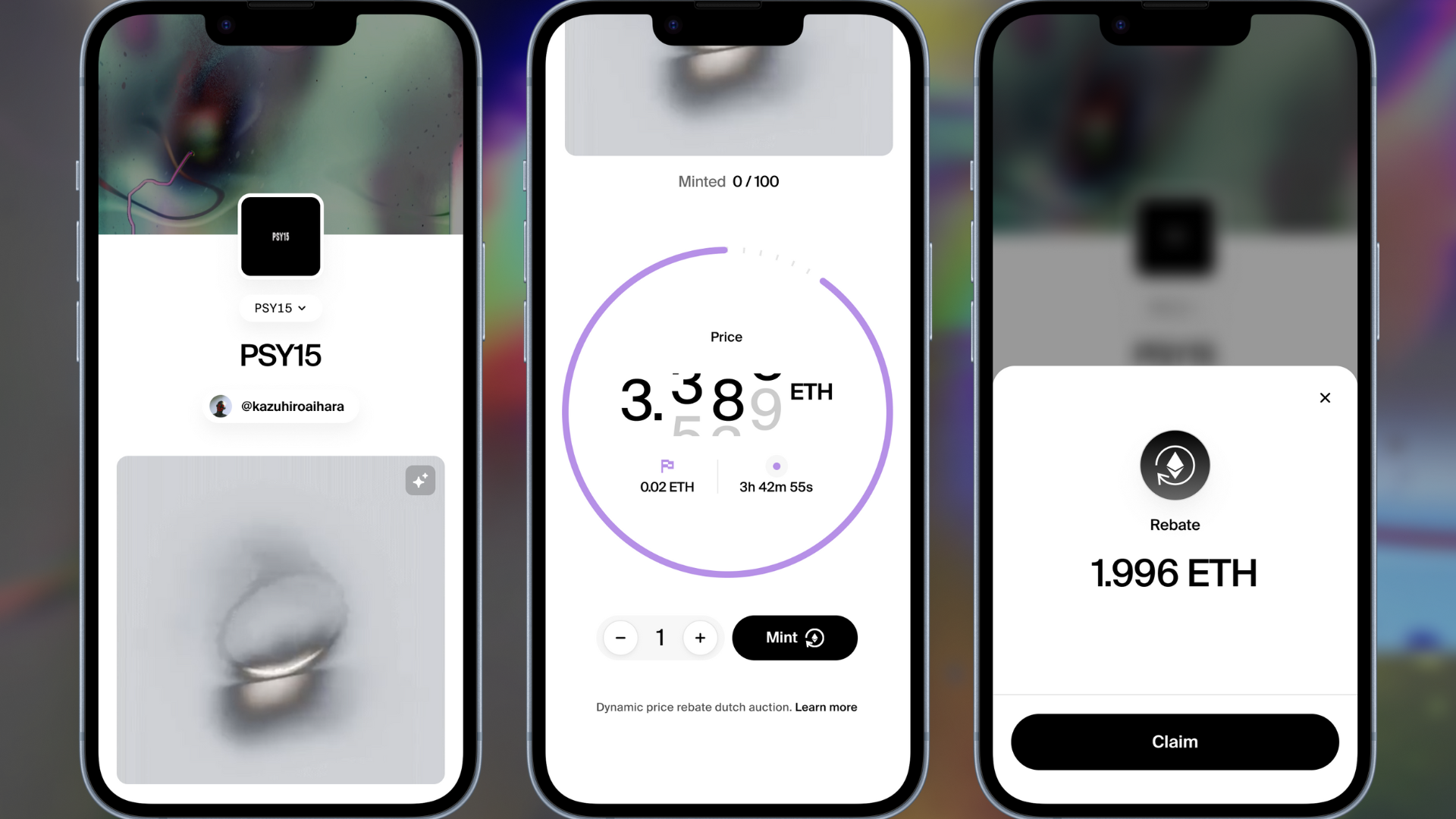
Foundation nft auctions are one of the main reasons people search for the topic. An NFT auction is a sale format where collectors compete by placing bids, and the final outcome depends on the marketplace’s timing and settlement rules. Some auctions may begin only after a qualifying bid, while others may be scheduled in advance. Exact mechanics can change, so the listing page should always be the source of truth.
Foundation nft bidding requires more attention than clicking a normal ecommerce button. A bid may involve wallet approval, available crypto balance, network costs, and a clear understanding of what happens if the bid wins. Collectors should check the currency, minimum bid, auction timer, reserve price, and any extension rules before participating. They should also confirm whether funds are committed, escrowed, or simply offered under the current marketplace design.
Foundation nft auction pages can create urgency, especially when only a short amount of time remains. That urgency is part of auction culture, but it can lead to rushed decisions. A disciplined collector sets a maximum price before bidding, checks the creator’s identity, reviews the artwork terms, and accepts that resale demand is uncertain. No NFT auction should be treated as a guaranteed path to profit.
How to get started with Foundation nft
Foundation nft is easiest to understand if you begin by observing before transacting. Browse creator profiles, compare listing formats, and notice how descriptions, collection pages, and sale histories are presented. This gives you a feel for the marketplace without exposing a wallet or funds. When you are ready to interact, move slowly and read every wallet prompt in full.
Foundation nft beginners usually follow a workflow like this:
- Set up a compatible crypto wallet and protect the recovery phrase offline.
- Visit the official marketplace directly instead of following random messages or ads.
- Review creator profiles, item details, sale format, and fee information.
- Fund the wallet only with an amount you can afford to risk.
- Connect the wallet, inspect transaction prompts, and confirm only actions you understand.
- Track completed activity through the marketplace account and a blockchain explorer when needed.
Foundation nft users should also separate browsing from buying. A dedicated wallet for marketplace activity can reduce risk, especially for people who hold other digital assets. Browser extensions, wallet approvals, and signature requests deserve careful review. If a prompt seems unrelated to the action you intended, stop and verify the site, wallet connection, and listing details before continuing.
Fees, gas, and costs to check before using Foundation nft
Foundation nft costs can include more than the visible price of an artwork. Marketplace fees, creator royalties where supported, blockchain gas fees, payment currency conversion, and possible withdrawal or bridging costs can all affect the total. These details may change as smart contracts, marketplace policies, and network conditions evolve, so users should verify the latest fee schedule with official sources before listing, bidding, or purchasing.
Foundation nft buyers should pay special attention to gas, because network fees can rise during busy periods. A low-priced NFT can become less attractive if the transaction cost is high. Sellers should think about listing fees, settlement rules, royalty settings, and whether a sale format matches the expected collector base. Creators may also have income reporting obligations depending on their jurisdiction, so professional tax or legal guidance may be appropriate for significant activity.
Foundation nft is part of a market where prices can move quickly and sentiment can change without warning. The fact that a prior sale happened at a high price does not mean a similar work will sell for the same amount. Collectors should avoid borrowing, overextending, or treating marketplace activity as a stable return strategy. Digital art can be culturally meaningful while still carrying real financial risk.
Is Foundation nft safe?
Foundation nft can be used more safely when users combine marketplace checks with general crypto security habits. The platform interface may help organize listings and profiles, but the user is still responsible for wallet security, link hygiene, transaction review, and asset custody. Phishing sites, fake support accounts, copied artwork, and misleading social messages are common risks across the NFT ecosystem.
Foundation nft safety checks should include confirming the official domain, avoiding unsolicited direct-message links, reviewing creator identity signals, and reading wallet prompts line by line. Users should never share a seed phrase, private key, or secret recovery phrase with anyone. A legitimate marketplace interaction should not require that information. Hardware wallets can add protection for higher-value activity, though they do not replace careful judgment.
Foundation nft authenticity checks can be harder than they first appear. A token may point to an image, but the question is whether the minter had the right to tokenize that work and whether the buyer understands the license terms. Look for a consistent creator history, clear descriptions, social verification where available, and signs that the artwork has not been copied from another artist. Even then, uncertainty can remain.
How does Foundation nft compare with other NFT marketplaces?
Foundation nft is often compared with broader NFT marketplaces, gallery-style platforms, and creator-owned minting tools. Some marketplaces emphasize massive inventory and many collection types. Others focus on curated art, social discovery, or specialized communities. The right choice depends on whether a user wants maximum liquidity, a creator-centered presentation, lower-cost minting, a particular blockchain, or a specific collector audience.
Foundation nft may appeal to users who value visual presentation, creator profiles, and auction culture. A larger general marketplace may be better for people comparing many collection categories, gaming assets, profile-picture projects, or high-volume trading. Creator-owned contracts and independent minting tools may suit artists who want more control over branding and technical structure. Each route has tradeoffs in fees, discoverability, support, permanence, and collector trust.
Foundation nft should therefore be evaluated as one marketplace option, not the only path into NFTs. A collector can compare artwork quality, sale history, wallet compatibility, fee transparency, and creator reputation across platforms. An artist can compare audience fit, onboarding requirements, royalty support, and how the marketplace presents work after the initial sale. The best decision is usually the one that matches a specific goal rather than a trend.
What should a new user remember before using Foundation nft?
Foundation nft is a useful entry point for learning how creator marketplaces, NFT auctions, and wallet-based collecting work. The core idea is simple: digital works can be represented by blockchain tokens and sold through a marketplace interface. The practical reality is more complex because ownership records, artwork rights, fees, security, and market demand all affect the experience.
Foundation nft users should take time to understand the transaction before they sign it. Verify the current platform rules, read the listing, confirm the creator, and decide in advance what you are willing to spend. For artists, treat the marketplace as one part of a larger creative practice rather than a shortcut to visibility. For collectors, treat purchases as high-risk digital collectibles, not guaranteed investments.
Foundation nft can be interesting because it brings together art, technology, provenance, and community in one interface. It can also be risky because crypto transactions are unforgiving and marketplace excitement can outrun careful review. A patient approach is the best starting point: learn the terms, browse real examples, compare alternatives, and act only when the wallet prompt, cost, and reason for the transaction all make sense.
Questions and Answers
What is Foundation nft used for?
Foundation nft is used to browse, list, buy, and sell NFT-based digital artwork through a creator-focused marketplace experience. Artists may use it to present profiles, publish works, and run sales or auctions. Collectors may use it to discover creators, place bids, or purchase tokenized artwork. Users should verify current platform rules and understand wallet transactions before participating.
How do Foundation nft auctions work?
Foundation nft auctions generally involve a creator listing an NFT and collectors placing bids through a connected crypto wallet. The final result depends on the marketplace’s current auction rules, timing, reserve settings, and settlement process. Because features can change, users should read the live listing page and wallet prompts carefully before bidding. A bid should be treated as a serious transaction, not a casual expression of interest.
Is Foundation nft only for artists?
Foundation nft is not only for artists. Creators use it to present and sell digital work, while collectors use it to discover, bid on, and buy NFTs. Curators, fans, and researchers may also browse creator profiles and sale histories to understand trends in digital art. Anyone using the marketplace should understand wallet safety, fees, and the difference between owning a token and owning full intellectual property rights.
What fees should I check before using Foundation nft?
Before using Foundation nft, check the current marketplace fee, any creator royalty or resale terms, the blockchain network gas fee, and the payment currency required for the listing. Costs can change based on platform policy and network activity. Buyers should calculate the total cost before bidding or purchasing, while sellers should review what they may receive after marketplace charges and transaction expenses.
Is buying on Foundation nft safe?
Buying on Foundation nft can be safer when you use the official site, protect your wallet recovery phrase, verify creator identity, and read every transaction prompt. However, NFT purchases still carry risks, including phishing, copied artwork, unclear rights, volatile prices, and irreversible blockchain activity. Do not share private keys or seed phrases, and do not spend money you cannot afford to lose.
Does owning a Foundation nft give me copyright to the artwork?
Owning a Foundation nft does not automatically mean you own the copyright or full commercial rights to the artwork. In many NFT purchases, the buyer owns the token and receives only the rights described by the creator, marketplace terms, or project license. Always review the listing language and any license information before assuming you can reproduce, sell merchandise from, or commercially use the art.
How should a beginner start with Foundation nft?
A beginner should first browse Foundation nft without connecting a wallet, study creator profiles, compare sale formats, and learn common terms such as minting, gas, bids, reserves, and royalties. When ready, use a secure wallet, visit the official marketplace directly, fund only a limited amount, and confirm each transaction prompt carefully. Observing before buying helps reduce avoidable mistakes.