Foundation nft Is a Marketplace Guide for Creators and Collectors
Foundation nft Is a way to understand Foundation as an NFT marketplace where creators can publish digital work, collectors can discover art, and both sides can use crypto wallets to transact on-chain. The core idea is simple: a creator mints or lists a tokenized work, a collector buys or bids, and ownership is recorded through blockchain infrastructure. Because features, fees, networks, and policies can change, users should confirm current details through official Foundation sources before spending money.
Foundation nft sits in the broader world of digital collectibles, generative art, photography, editions, auctions, primary sales, and secondary market trading. A user searching for Foundation nft is usually trying to answer practical questions: what the platform does, how to connect a wallet, what minting means, how buying works, where costs appear, and how to avoid common Web3 mistakes. This guide explains those basics in plain language without assuming that every reader already understands crypto wallets or NFT marketplace terms.
What is Foundation nft?
Foundation nft refers to the creator and collector experience around Foundation, a marketplace associated with NFTs, digital art, and on-chain ownership records. In everyday terms, an NFT is a unique token that points to or represents a digital item, such as an artwork, animation, photograph, music-related collectible, or other creative file. The NFT is not the same thing as a normal image download; it is a blockchain record that can show wallet ownership and transaction history.
Foundation nft matters most to people who want a curated, art-forward marketplace experience rather than a generic marketplace full of every possible token category. Creators may use the platform to present work in a marketplace context, while collectors may use it to browse artists, evaluate provenance, and buy pieces through wallet-based transactions. The exact creator tools and marketplace rules may evolve, so readers should treat this guide as educational and verify current platform behavior before relying on it.
Foundation nft also overlaps with terms such as minting, listings, reserve auctions, editions, smart contracts, wallet signatures, royalties, gas fees, and secondary sales. These terms can sound technical, but the user journey is familiar: create or connect an account, prepare a wallet, review an item, approve a transaction, and keep records. The difference is that the payment and ownership layer uses blockchain rails instead of a conventional checkout page.
How does Foundation nft work for a typical user?
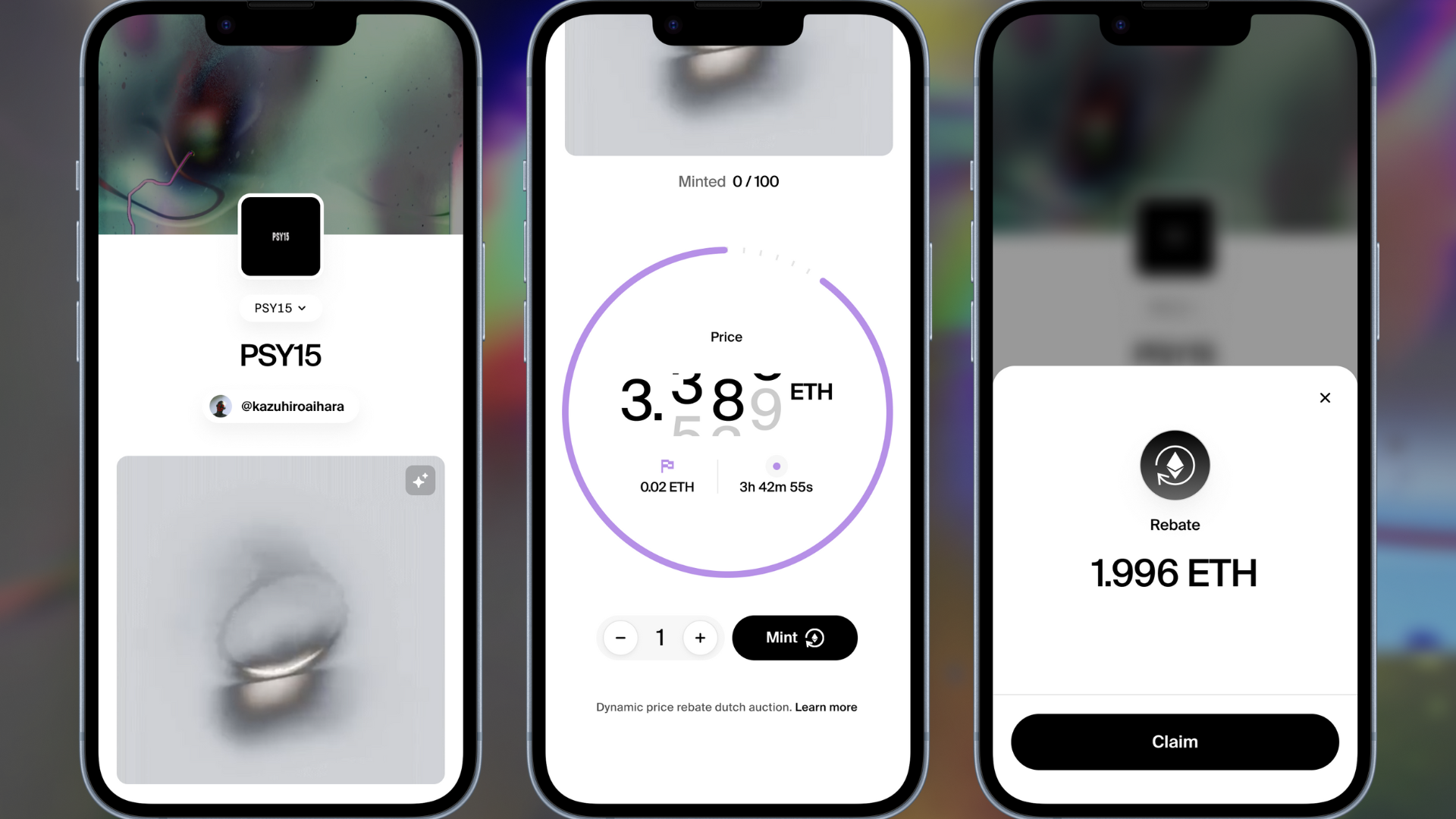
Foundation nft works through a combination of marketplace pages, crypto wallets, smart contracts, and blockchain transactions. A creator may upload or prepare creative work, define sale settings, and publish a token or listing. A collector may connect a wallet, review the artwork and sale terms, and complete a purchase or bid if the listing type allows it. Once a transaction completes, the NFT ownership record updates on-chain.
In practice, Foundation nft is not only a website experience. It also depends on the wallet a user controls and the blockchain network used for the transaction. A wallet such as a browser wallet or hardware wallet can hold the user’s address, sign approvals, and receive NFTs. The marketplace interface helps people interact with smart contracts, but the wallet is where the user confirms important actions.
Foundation nft transactions can involve several layers of cost. There may be the artwork price, network fees, marketplace fees, creator earnings, and possible royalty terms on resale. These details can vary by listing type, blockchain conditions, and platform policy. Before buying or minting, a user should review the visible checkout details, inspect wallet prompts carefully, and compare them against official marketplace documentation.
Why do creators use Foundation nft?
Foundation nft can appeal to creators because it gives digital work a marketplace context with ownership records, sales history, and a collector-facing presentation. Artists, designers, photographers, animators, musicians, and creative technologists may use NFT platforms to sell single works, limited editions, or experimental projects. The platform can help a creator move from posting work socially to offering collectible digital assets with clearer provenance.
Foundation nft also gives creators a way to think about primary sales and later collector activity. A primary sale is the first sale from the creator or project. A secondary sale happens when a collector resells the NFT to someone else. Depending on the marketplace and contract settings, creator royalties or resale economics may be part of the discussion, but users should never assume royalty enforcement or payout rules without checking the current platform terms.
Foundation nft does not remove the need for basic creator discipline. A creator still needs a coherent body of work, clear descriptions, thoughtful pricing, safe wallet practices, and realistic expectations. Tokenizing a file does not guarantee demand. The best use of Foundation nft is usually as part of a broader creative practice that includes audience trust, consistent publishing, and careful recordkeeping.
How do collectors buy on Foundation nft?
Foundation nft buying usually begins with browsing artwork, reviewing creator profiles, checking the item details, and deciding whether the piece fits the collector’s goals. A collector may care about the artist’s history, the scarcity of the work, the visual quality, the contract source, previous sales, edition size, or cultural relevance. Unlike a normal ecommerce purchase, an NFT purchase also requires a wallet and enough crypto to cover both price and network costs.
Foundation nft collectors should slow down at the transaction screen. Wallet prompts may ask for signatures, spending approvals, bids, purchases, or network confirmations. A signature is not always a payment, but it can still authorize an action. The safest habit is to read every prompt, confirm the domain and item, and reject anything that appears unexpected. If the interface, price, or wallet request looks different from what the collector intended, it is better to stop and verify.
A simple buying workflow can look like this:
- Set up a wallet and store the recovery phrase offline in a secure place.
- Add funds only after understanding the network and estimated transaction costs.
- Browse Foundation nft listings and review the creator, item page, and sale format.
- Connect the wallet only on the intended marketplace domain.
- Confirm the purchase, bid, or mint details in the wallet before signing.
- After completion, check the wallet or marketplace profile for the ownership record.
Foundation nft buying is easier when the collector treats every step as a confirmation point rather than a race. Popular drops and auctions can create urgency, but urgency is also what phishing pages and fake support messages rely on. Collectors should avoid direct-message support claims, never share a seed phrase, and verify links independently.
What fees and costs should users expect with Foundation nft?
Foundation nft costs may include the item price, network gas, marketplace fees, creator royalties on resale, and wallet transfer costs. Gas is the network fee paid to process a blockchain transaction, and it can change based on network demand. Marketplace fees are set by platform policy and can change over time. Royalty and resale rules can also vary by contract, marketplace, and enforcement model.
Foundation nft users should not rely on old screenshots, old social posts, or third-party summaries for fee decisions. Crypto platforms can update fee schedules, supported networks, auction mechanics, and creator tools. The practical approach is to treat the checkout page and current official marketplace documentation as the source of truth. If a fee is unclear, pause before signing a transaction.
Foundation nft creators should account for more than minting or listing costs. There may be costs for wallet setup, art storage decisions, promotion, tax reporting, failed transactions, currency volatility, and moving funds. This guide is not financial, tax, or legal advice, but it is important to understand that NFT revenue and crypto transactions may create reporting obligations depending on location. Professional advice may be needed for serious sales activity.
Is Foundation nft safe for creators and collectors?
Foundation nft can be used more safely when users understand that the main risk is often not the artwork page itself but the surrounding wallet behavior. Common hazards include phishing domains, fake customer support, malicious wallet signatures, copied collections, impersonated artists, seed phrase theft, and rushed transaction approvals. A legitimate-looking page is not enough; the user must confirm the domain, wallet prompt, and transaction intent.
Foundation nft safety starts with wallet hygiene. A recovery phrase should never be typed into a website, sent in a message, stored in a cloud note, or shared with anyone claiming to provide support. A hardware wallet can reduce some private-key risks, but it does not make careless signing safe. Even with a hardware wallet, a user should inspect the address, transaction type, and spending approval before confirming.
Foundation nft collectors should also examine authenticity. That can mean reviewing the creator profile, checking social links from multiple directions, looking at previous transaction history, and being cautious when a deal appears unusually cheap. Creators should protect their identity and communication channels because impersonation can damage both buyers and artists. For deeper safety planning, a user might read a related internal guide such as before connecting a wallet.
Foundation nft compared with other NFT marketplace options
Foundation nft is one choice in a larger NFT marketplace landscape. Other platforms may emphasize bulk trading, gaming assets, profile-picture collections, open minting, music drops, generative art, or brand campaigns. Foundation is commonly discussed in connection with digital art and creator presentation, so the decision often depends on whether a user wants an art-centered environment or a broader marketplace with more categories.
Foundation nft may suit users who care about artist pages, collectible context, and a cleaner creative marketplace flow. A broader marketplace may suit users who want maximum liquidity, many collection types, analytics tools, or high-volume trading features. A creator may choose one platform for primary presentation and another for audience reach, while a collector may monitor several marketplaces to understand pricing and provenance.
| Consideration | Foundation nft angle | What to verify |
|---|---|---|
| Creator fit | Often associated with digital art and creator-led drops | Current eligibility, tools, and publishing options |
| Collector fit | Useful for browsing artists, works, and sale pages | Authenticity, price history, and contract details |
| Costs | May include sale price, gas, and marketplace charges | Live checkout details and official fee information |
| Risk | Wallet and phishing risks remain important | Domain, signature requests, and wallet permissions |
Foundation nft comparisons should be practical rather than tribal. The best marketplace is the one that fits the specific work, budget, safety needs, and collector behavior. Users should compare current tools, supported networks, fees, and reputation instead of assuming that any one platform is always best.
How to get started with Foundation nft without rushing
Foundation nft onboarding is easiest when users separate learning from spending. A new collector can first browse listings without connecting a wallet, learn the vocabulary, and observe how auctions, fixed-price listings, or editions appear. A creator can study how other artists write descriptions, organize profiles, and present work before minting anything. This slower path reduces mistakes caused by unfamiliar wallet prompts.
Foundation nft preparation should include a wallet plan. Users may want one wallet for browsing and another for higher-value holdings, especially if they become active collectors. They should understand how to revoke unneeded approvals, back up recovery information, and recognize fake browser extensions. A wallet is not just a login; it is a control point for assets and signatures.
Foundation nft creators should prepare metadata and presentation carefully. Titles, descriptions, edition information, media quality, and project context shape how collectors understand the work. The token may carry the ownership record, but the story around the artwork still matters. A practical companion resource like can also help users think through sale planning before publishing.
What are the main benefits of Foundation nft?
Foundation nft offers a structured way for digital work to become collectible, discoverable, and transferable through blockchain records. For creators, the benefit is not simply selling a file; it is creating a public market page with provenance and potential collector engagement. For collectors, the benefit is the ability to buy a token tied to a digital work and hold it in a wallet that records ownership history.
Foundation nft can also make digital art feel more intentional. Instead of disappearing into a feed, a work can have a dedicated page, sale format, collector trail, and contract reference. That does not make every NFT valuable, and it does not guarantee future demand. It does give creators and collectors a shared framework for discussing scarcity, provenance, and ownership in a digital environment.
Foundation nft benefits should be weighed against volatility and uncertainty. NFT prices can rise or fall sharply, marketplace trends can change, and a collector may not find a buyer later. A creator may sell out a drop or may receive little attention. Users should participate because they understand the creative and technical context, not because they expect guaranteed profit.
What risks should Foundation nft users consider?
Foundation nft risk falls into several categories: market risk, technical risk, platform risk, wallet risk, and authenticity risk. Market risk means the NFT may lose value or become difficult to resell. Technical risk includes transaction mistakes, wallet compromise, or misunderstanding blockchain fees. Platform risk means policies, supported networks, and marketplace features may change. Authenticity risk involves copied work, impersonation, or misleading claims.
Foundation nft users should verify details with official sources because crypto interfaces and marketplace rules are not static. A guide can explain concepts, but it cannot guarantee today’s fee schedule, supported wallet list, contract behavior, or account requirement. Before a meaningful transaction, check the live marketplace, inspect wallet prompts, and confirm that you are using the correct domain.
Foundation nft is best approached as a creative marketplace with real financial consequences. That means using caution, keeping records, avoiding pressure tactics, and spending only what you can afford to risk. For creators, it means being honest about what buyers receive. For collectors, it means understanding that ownership of an NFT usually does not automatically grant broad copyright or commercial rights unless the terms clearly say so.
Where Foundation nft fits in the Web3 creator economy
Foundation nft is part of a larger shift in how creators experiment with ownership, community, and digital distribution. Web3 tools can let artists sell directly to collectors, build a visible provenance trail, and participate in new forms of patronage. At the same time, these tools come with friction: wallet setup, crypto volatility, security concerns, environmental questions, and changing marketplace standards.
Foundation nft will make the most sense to users who treat it as one channel among many. A creator may still need a portfolio site, social presence, newsletter, gallery relationships, or collector communication outside the marketplace. A collector may still need research habits, budget limits, and a clear sense of why a work matters to them. The marketplace can support discovery and transactions, but it cannot replace judgment.
Foundation nft is therefore neither a shortcut nor a mystery. It is a marketplace experience built around NFTs, digital creators, crypto wallets, and blockchain-based ownership records. Users who learn the workflow, verify details, and stay cautious can evaluate it more clearly. The practical goal is not to chase every drop, but to understand how Foundation nft works well enough to make informed creator or collector decisions.
Questions and Answers
What is Foundation nft used for?
Foundation nft is used to describe the Foundation marketplace experience for NFTs, especially digital art and creator-led collectibles. Creators may use it to mint, list, or present work, while collectors may use it to browse, bid, buy, and hold tokenized pieces in a crypto wallet. Exact features and rules can change, so users should verify current details before transacting.
How do I buy a Foundation nft safely?
To buy a Foundation nft more safely, start by confirming the correct marketplace domain, reviewing the artwork page, checking the creator profile, and reading the wallet prompt before signing. Never share your recovery phrase with anyone, including people claiming to offer support. Make sure you understand the purchase price, gas fee, listing type, and what rights are included with the NFT.
Do Foundation nft purchases include copyright ownership?
A Foundation nft purchase usually proves ownership of the token, but it does not automatically mean the buyer owns broad copyright or commercial rights to the artwork. Rights depend on the creator’s stated terms, marketplace terms, and any license attached to the work. Collectors should read the item description and official terms carefully before assuming they can reuse or commercialize the art.
What fees are involved with Foundation nft transactions?
Foundation nft transactions may involve the artwork price, blockchain gas fees, marketplace fees, and possible resale royalty terms. These costs can change based on network conditions, listing format, and platform policy. The safest approach is to review the live checkout screen and official Foundation information before confirming a transaction, rather than relying on old fee summaries or screenshots.
Can creators make guaranteed income with Foundation nft?
No creator should treat Foundation nft as guaranteed income. NFTs can help present and sell digital work, but demand depends on the art, audience, timing, pricing, reputation, and broader market conditions. A creator may have successful sales or may receive little attention. It is better to use the marketplace as one part of a broader creative practice.
What wallet do I need for Foundation nft?
Foundation nft activity generally requires a compatible crypto wallet that can connect to the marketplace and sign blockchain transactions. The exact supported wallets and networks should be checked through official Foundation sources because compatibility can change. Users should back up their recovery phrase offline, consider hardware-wallet practices for valuable assets, and carefully inspect each signature request before approving it.
Is Foundation nft better than other NFT marketplaces?
Foundation nft may be a strong fit for users who want an art-centered marketplace and creator-focused presentation, but it is not automatically better for every goal. Other NFT marketplaces may offer broader inventory, different networks, higher trading volume, analytics, gaming assets, or lower costs. The right choice depends on the creator’s audience, the collector’s priorities, fees, safety needs, and current platform features.