Foundation nft marketplace Is a buying and selling guide
Foundation nft marketplace Is a creator-focused NFT platform where collectors can buy digital art and creators can mint, list, and manage blockchain-backed works through a crypto wallet. The practical answer is simple: use Foundation to discover art, connect a compatible wallet, review the collection and transaction details, then buy or list only after checking fees, provenance, and risk. Foundation nft marketplace can be useful, but users should verify current rules, costs, and contract details with official screens before acting.
Foundation nft marketplace sits in the wider world of NFT marketplaces, Ethereum wallets, smart contracts, creator royalties, collection pages, auctions, and secondary sales. It is not a bank, a broker, or a guarantee of profit. It is best understood as a web service for publishing and trading tokenized digital media, where the value of any work depends on artistic demand, collector interest, scarcity, reputation, and broader crypto market conditions.
Foundation nft marketplace attracts people who want a cleaner, art-centered experience than a general collectibles exchange. The appeal is usually the combination of visual presentation, creator profiles, collection browsing, wallet-based ownership, and a market where primary sales and resales can be tracked on-chain. That said, every NFT purchase involves uncertainty. Prices can fall, wallets can be compromised, and marketplace interfaces can change, so careful verification matters more than speed.
What is Foundation nft marketplace?
Foundation nft marketplace is an online NFT marketplace associated with digital art, creator collections, and crypto-native collecting. A user typically visits the site, connects a wallet, browses artwork, reviews the listing, and completes a transaction through a blockchain wallet. The NFT itself is a token that points to a digital work and records ownership activity on a public blockchain, while the image, animation, video, or other media may be stored through a related file or metadata system.
Foundation nft marketplace is especially relevant for artists, designers, collectors, curators, and people learning how the creator economy works in Web3. For creators, the platform can provide a storefront-like presence for minted works. For collectors, it can provide discovery, bidding, buying, and resale tools. For researchers, Foundation nft marketplace is also a useful example of how marketplaces combine wallet authentication, smart contract activity, profile identity, and social proof.
The word marketplace is important. Foundation nft marketplace does not remove the need for judgment. It gives users tools to transact, but it does not make every listing valuable, safe, original, or liquid. A careful buyer checks the creator profile, collection history, contract address, edition size, sale terms, and any visible marketplace warnings. A careful seller checks listing settings, fees, wallet approvals, tax implications, and how the sale may be perceived by collectors.
How does Foundation nft marketplace work?
Foundation nft marketplace works by connecting a user interface to blockchain actions. Instead of creating a username and password in the traditional way, a user commonly connects a wallet and signs messages or transactions. Signing a login message usually proves wallet control without spending funds. Signing a transaction can transfer cryptocurrency, mint a token, approve a contract, place a bid, accept an offer, or list an item for sale.
Foundation nft marketplace depends on several moving parts. The visible website displays art, profiles, collections, activity, and sale information. The wallet holds crypto assets and asks the user to confirm actions. The smart contract records token ownership and marketplace actions. The blockchain network processes transactions and charges gas fees. Because those parts are separate, a user should read both the marketplace page and the wallet confirmation before confirming anything.
In practice, Foundation nft marketplace feels like a gallery interface connected to a transaction layer. A collector may browse a work, inspect creator information, compare recent activity, and decide whether to buy, bid, or wait. A creator may mint a work, organize it into a collection, add a title and description, set sale terms, and promote it through their own audience. The visible interface is simple, but the transaction underneath is permanent enough to deserve a slow review.
How do you buy on Foundation nft marketplace?
Foundation nft marketplace buying begins before the purchase button. A new collector should prepare a compatible crypto wallet, understand the network being used, hold enough funds for the NFT and gas, and know how to identify the authentic site. Browser bookmarks, wallet warnings, and manual URL checks help reduce phishing risk. Before buying, it is also sensible to compare the piece with the creator's other work and review whether the collection looks legitimate.
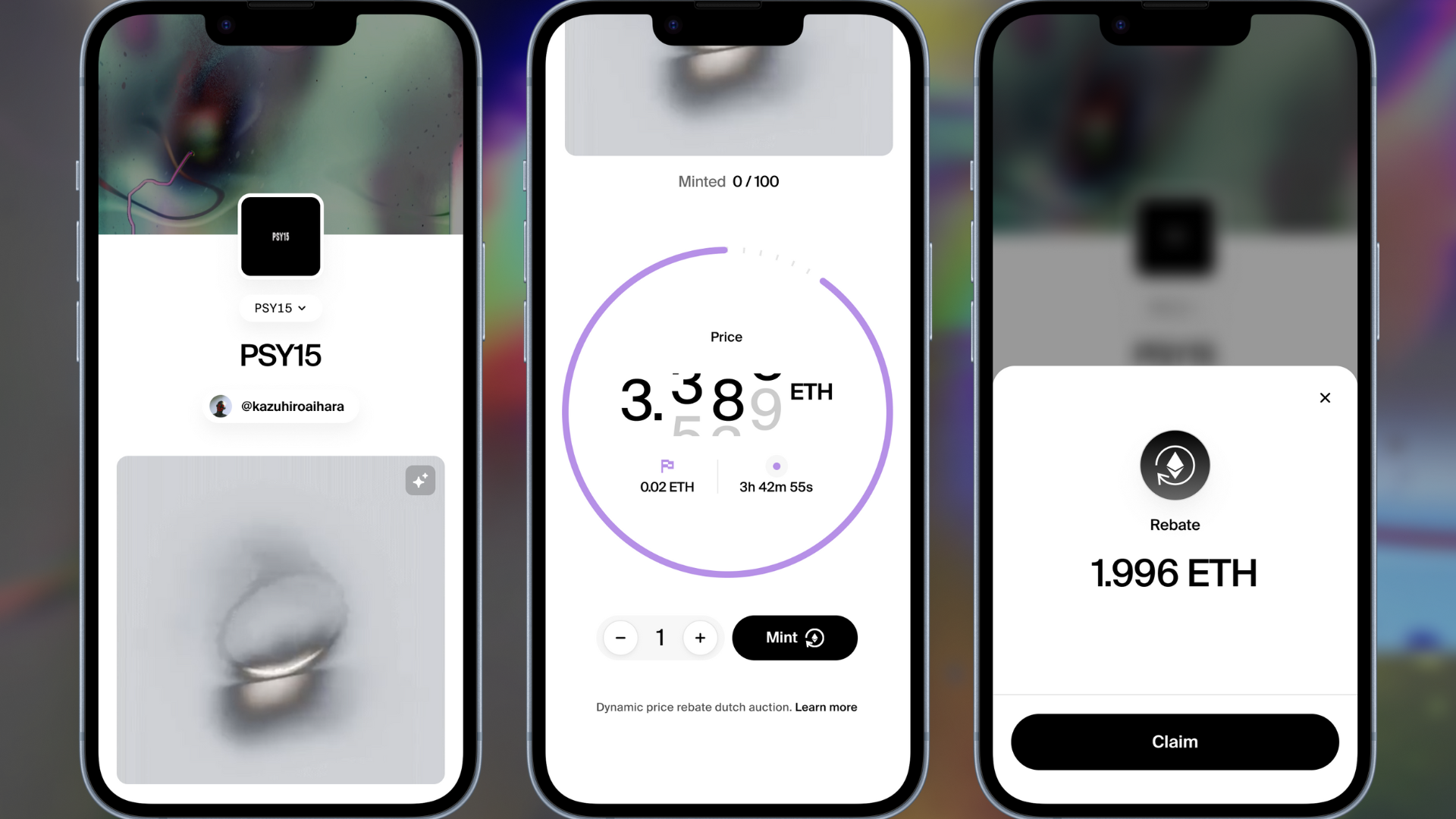
Foundation nft marketplace can involve fixed-price purchases, offers, auctions, or other sale formats depending on current platform options. The exact workflow may change, so the safest habit is to treat the page and wallet confirmation as the source of truth. Look for the token name, price, currency, gas estimate, contract interaction, and recipient information. If the wallet confirmation does not match what you expected, reject it and investigate.
For a new user, the buying workflow usually looks like this:
- Open the authentic Foundation nft marketplace page and connect the intended wallet.
- Review the creator profile, collection details, edition size, media, and sale format.
- Check the total cost, including marketplace costs and network gas shown at the time.
- Confirm only the transaction you understand in the wallet prompt.
- After purchase, verify the NFT in your wallet, profile, or transaction history.
Foundation nft marketplace purchases should be treated as collectible purchases, not guaranteed investments. Some art may become culturally important, some may remain personally meaningful, and some may lose market value. Buyers should avoid spending funds they cannot afford to lose and should be cautious about hype, artificial urgency, fake scarcity, and social media pressure.
How do creators sell on Foundation nft marketplace?
Foundation nft marketplace selling starts with creator readiness. A strong listing is not only a file uploaded to a platform. It includes a coherent body of work, a clear title, useful description, thoughtful pricing, and a public identity that helps collectors understand the creator's practice. Portfolio quality, consistency, and collector trust often matter more than trying to chase a trend.
Foundation nft marketplace creator workflows may include minting, choosing a collection, adding metadata, setting a sale method, and later managing listings or offers. Some platforms and marketplace features use invite, eligibility, or profile requirements, while others change access over time. Because creator access rules can change, sellers should verify the current Foundation nft marketplace account flow directly in the live interface before planning a launch.
Foundation nft marketplace listings benefit from accurate metadata. A creator should avoid misleading descriptions, stolen media, unauthorized brand use, and unclear edition claims. If the work includes animation, generative elements, music, photography, AI-assisted production, collaboration, or physical components, those details should be plainly explained. Collectors often value clarity because it reduces confusion around rights, provenance, and expectations after purchase.
The creator side also includes communication. Foundation nft marketplace can show the work, but it usually does not replace the need for audience building. Artists often use newsletters, social profiles, collector updates, community spaces, and portfolio sites to explain the work before and after a drop. A measured launch is usually stronger than a rushed listing with no context, no provenance, and no plan for post-sale collector support.
Fees and costs of Foundation nft marketplace
Foundation nft marketplace costs can include several categories: the price of the NFT, network gas, marketplace fees, creator earnings settings, and possible costs connected to moving funds in or out of a wallet. Exact fee percentages and royalty handling can change over time, so users should rely on the live transaction screen and official marketplace details rather than old screenshots or secondhand posts.
Foundation nft marketplace users should understand that gas is separate from the artwork price. Gas goes to the blockchain network validators or block producers, not simply to the artist or marketplace. Gas can rise during busy periods, and failed or rejected transactions may still have cost implications depending on the network action. This is why reviewing the final wallet prompt matters for both buyers and sellers.
Foundation nft marketplace fees also affect pricing decisions for creators. A seller who wants to receive a certain net amount should consider platform fees, network costs, and any creator royalty or resale structure that appears in the current workflow. Collectors should make a similar calculation when bidding, because the final cost may be higher than the displayed art price once transaction costs are included.
Is Foundation nft marketplace safe?
Foundation nft marketplace can be used more safely when users combine marketplace checks with wallet hygiene. Safety is not only about whether a recognizable platform exists; it is also about whether the user is on the correct domain, whether the wallet approval is appropriate, whether the token contract is legitimate, and whether the listing matches the creator's real body of work. Fraud can happen around any crypto marketplace.
Foundation nft marketplace safety starts with slow verification. Do not click random direct messages promising exclusive access. Do not sign wallet prompts you cannot explain. Do not approve unlimited token access unless you understand why it is needed. Use hardware wallets for higher-value assets when practical, keep recovery phrases offline, and separate collecting wallets from experimental wallets. These habits reduce common losses without depending on any single platform feature.
Foundation nft marketplace buyers should also check provenance. The same image can be copied, but the authentic NFT should connect to the expected creator profile, collection, and contract history. If a listing looks unusually cheap, uses a nearly identical creator name, or has thin activity around it, pause. Scarcity claims should be checked against edition size, minted supply, and the contract or collection page.
For related preparation, users may want to read an internal guide to before connecting funds. People comparing risk signals can also review as part of a broader buying process. Internal education does not replace official marketplace details, but it can help users form a repeatable review habit.
What are the main use cases for Foundation nft marketplace?
Foundation nft marketplace is most often used for collecting digital art, releasing creator drops, managing profile-based portfolios, and participating in primary or secondary sales. A collector may use it to find a single artwork by a favorite artist. A creator may use it to mint a limited piece. A curator may use it to follow movements across crypto art, photography, illustration, motion work, and experimental media.
Foundation nft marketplace can also help creators establish provenance. When a work is minted from a creator-controlled wallet and connected to a recognizable profile, the transaction history becomes part of the object's public record. That record is not the same as copyright ownership, and it does not automatically grant commercial rights. Buyers should read the listing and creator terms carefully if usage rights matter.
Foundation nft marketplace is less suitable for users who want guaranteed liquidity, passive income, or risk-free exposure to crypto assets. NFTs can be hard to resell, and market demand can change quickly. The strongest use case is usually cultural and collectible: supporting artists, collecting works with personal meaning, participating in a creative community, or documenting ownership of scarce digital editions.
How does Foundation nft marketplace compare with other NFT platforms?
Foundation nft marketplace is often compared with broader NFT marketplaces, curated art platforms, creator storefront tools, and collection-first exchanges. A broad marketplace may offer more volume and more categories, while an art-centered marketplace may offer a more focused discovery experience. The right choice depends on whether the user values liquidity, curation, creator presentation, chain support, fee structure, or collection management.
Foundation nft marketplace is not automatically better or worse than alternatives. It may be appealing when the creator community, visual browsing, and profile context fit the user's goal. Other platforms may be better for gaming items, high-volume collectibles, low-cost chains, music NFTs, domain names, or enterprise-style minting. A buyer should compare the exact asset, contract, chain, fees, and marketplace reputation rather than choosing based on name recognition alone.
| Factor | Why it matters |
|---|---|
| Creator identity | Helps collectors evaluate provenance and whether the listing matches the artist's known work. |
| Network and gas | Affects transaction cost, wallet compatibility, and confirmation experience. |
| Sale format | Fixed price, offers, and auctions create different timing and pricing decisions. |
| Rights and metadata | Clarifies what the buyer receives beyond token ownership. |
| Marketplace fees | Changes the net amount paid by buyers and received by sellers. |
How to get started with Foundation nft marketplace
Foundation nft marketplace onboarding should be deliberate. Start by learning the basic vocabulary: wallet, seed phrase, gas, minting, listing, offer, auction, collection, contract, metadata, royalty, and provenance. Then use a small-value wallet to understand how connection prompts and signatures work. A user who understands wallet prompts is less likely to panic, rush, or approve something dangerous.
Foundation nft marketplace newcomers should decide their purpose before transacting. A collector looking for one meaningful artwork has a different process than a creator preparing a drop or a trader watching floor prices. The collector should focus on artist fit, authenticity, and total cost. The creator should focus on presentation, metadata, access requirements, pricing, and audience communication. The trader should understand liquidity risk and avoid assuming that past sales predict future exits.
Foundation nft marketplace is easiest to approach when users slow down and document their decisions. Save transaction hashes, record purchase prices, keep track of wallet addresses, and note why a work was bought or listed. This is useful for personal records, accounting discussions, and future collection management. Because tax and legal treatment can vary, users should consult qualified professionals for those questions rather than relying on marketplace content.
Foundation nft marketplace can be a serious creative venue, a collecting tool, and a learning path into Web3 ownership. Its value comes from the combination of artist presentation, wallet-based transactions, and public provenance. Its risks come from the same environment: irreversible actions, volatile prices, phishing, unclear rights, and changing platform rules. A good user treats Foundation nft marketplace as a powerful tool, not a shortcut, and verifies every important detail before buying, minting, or selling.
Questions and Answers
What is Foundation nft marketplace used for?
Foundation nft marketplace is used to discover, buy, mint, list, and resell NFTs, especially digital art and creator-led collections. Collectors use it to browse artists and purchase blockchain-backed works through a crypto wallet. Creators use it to present work, manage listings, and build provenance. It should be treated as a marketplace tool, not as a guarantee that any NFT will rise in value.
How do I buy an NFT on Foundation nft marketplace?
To buy on Foundation nft marketplace, connect a compatible wallet, review the artwork, creator profile, collection details, sale format, and total transaction cost. Then confirm the purchase, bid, or offer only if the wallet prompt matches what you intended to do. Always check gas, currency, contract interaction, and site authenticity before signing. NFT purchases are risky and may be difficult to resell.
Can creators sell artwork on Foundation nft marketplace?
Creators can use Foundation nft marketplace to sell digital work when they meet the platform's current creator access and listing requirements. The workflow may include minting, adding metadata, choosing a collection, and setting sale terms. Because rules and features can change, creators should verify the live Foundation interface before planning a drop. Clear descriptions, accurate rights information, and consistent public identity help collectors evaluate the work.
What fees should I expect on Foundation nft marketplace?
Foundation nft marketplace users may encounter the NFT price, blockchain gas, marketplace fees, and creator royalty or earnings settings where supported. Exact fees can change, and gas varies with network conditions, so the live checkout and wallet confirmation are the most important references. Buyers should calculate total cost before confirming, while sellers should consider fees when setting prices or accepting offers.
Is Foundation nft marketplace safe for beginners?
Foundation nft marketplace can be used by beginners, but only with careful wallet safety habits. New users should verify the domain, avoid direct-message links, protect recovery phrases, reject confusing wallet prompts, and start with small transactions while learning. Marketplace visibility does not guarantee that every listing is authentic or fairly priced. Check creator identity, contract history, and transaction details before buying or selling.
Does buying on Foundation nft marketplace give me copyright rights?
Buying an NFT on Foundation nft marketplace usually gives ownership of the token, but it does not automatically grant copyright or commercial usage rights unless the creator or listing terms clearly say so. Rights can vary by project, artist, and collection. If licensing matters, read the description carefully and seek professional advice for legal questions. Do not assume token ownership equals full intellectual property ownership.
How is Foundation nft marketplace different from larger NFT exchanges?
Foundation nft marketplace is commonly viewed as more art- and creator-focused, while larger NFT exchanges may cover a wider range of collectibles, gaming items, domains, and high-volume trading. The better choice depends on the user's goal, asset type, network, fees, liquidity needs, and trust signals. Compare the specific listing, creator, contract, and total cost rather than choosing a platform solely by popularity.