Foundation nft Is a marketplace guide for digital art
Foundation nft Is an artist-centered NFT marketplace where creators can mint digital works and collectors can buy, bid on, or make offers for tokenized art. It works through crypto wallets, smart contracts, Ethereum and Base transactions, and sales formats such as Buy Now, offers, auctions, drops, and editions. Foundation nft helps users understand provenance and ownership, but every buyer should verify fees, wallet prompts, and project details before spending funds.
Foundation nft sits in the wider world of non-fungible tokens, where a token can represent a unique artwork, a limited edition, a generative output, or another digital collectible. The appeal is not only the image or animation on screen. It is the public record around the token: who minted it, which wallet owns it, which smart contract created it, and how it moved through the market.
What is Foundation nft?
Foundation nft refers to NFTs created, listed, collected, or traded through the Foundation marketplace experience. The platform is best known for digital art and creator-led collections rather than mass gaming items or purely speculative meme assets. A Foundation nft may be a one-of-one artwork, a timed edition, a limited edition, a drop, or a generative artwork connected to code-based output.
Foundation nft can be understood as a meeting point for artists, collectors, curators, and smart contracts. Creators upload work, set sale formats, and deploy or use contracts that define how tokens are minted. Collectors connect a wallet, review the artwork and transaction details, then collect through a sale mechanism. For broader background, readers comparing marketplace language can start with an before evaluating any individual collection.
Foundation nft does not make the artwork risk-free or automatically valuable. An NFT is a blockchain token linked to metadata and media, while the market price depends on demand, creator reputation, scarcity, cultural relevance, and liquidity. Treat the marketplace as a tool for publishing and collecting digital work, not as a guarantee that a token will retain or increase value.
How does Foundation nft work for creators and collectors?
Foundation nft workflows usually begin with a wallet connection. A creator uses a compatible crypto wallet to create a profile, prepare artwork, choose a minting format, and approve blockchain actions. A collector uses a wallet to hold ETH or the relevant network currency, sign transactions, and receive the NFT after purchase or minting. The wallet is the account, payment method, and custody layer at the same time.
Foundation nft sales can involve Ethereum mainnet or a supported layer 2 network such as Base, depending on what the creator selected and what the platform currently supports. Layer 2 networks are designed to reduce transaction cost and improve scalability, but they require users to pay attention to the network shown in the wallet. A transaction on the wrong chain may fail, cost gas, or leave funds where the user did not expect them.
The protocol layer matters because Foundation nft activity is executed through smart contracts. When a collector buys at a fixed price, places a bid, or mints from a drop, the wallet prompts the user to approve a transaction. That transaction may transfer funds, mint a token, move an NFT, or interact with a marketplace contract. The visible page should match the wallet prompt before the user confirms anything.
How do you buy a Foundation nft?
Foundation nft buying depends on the sale format shown on the token or collection page. The simplest route is Buy Now, where a seller sets a fixed price and the collector confirms the purchase in a wallet. Offers let a collector propose a price, and the seller can accept if the offer meets their expectations. Reserve auctions start when a bid meets the reserve and then run until the auction timer ends.
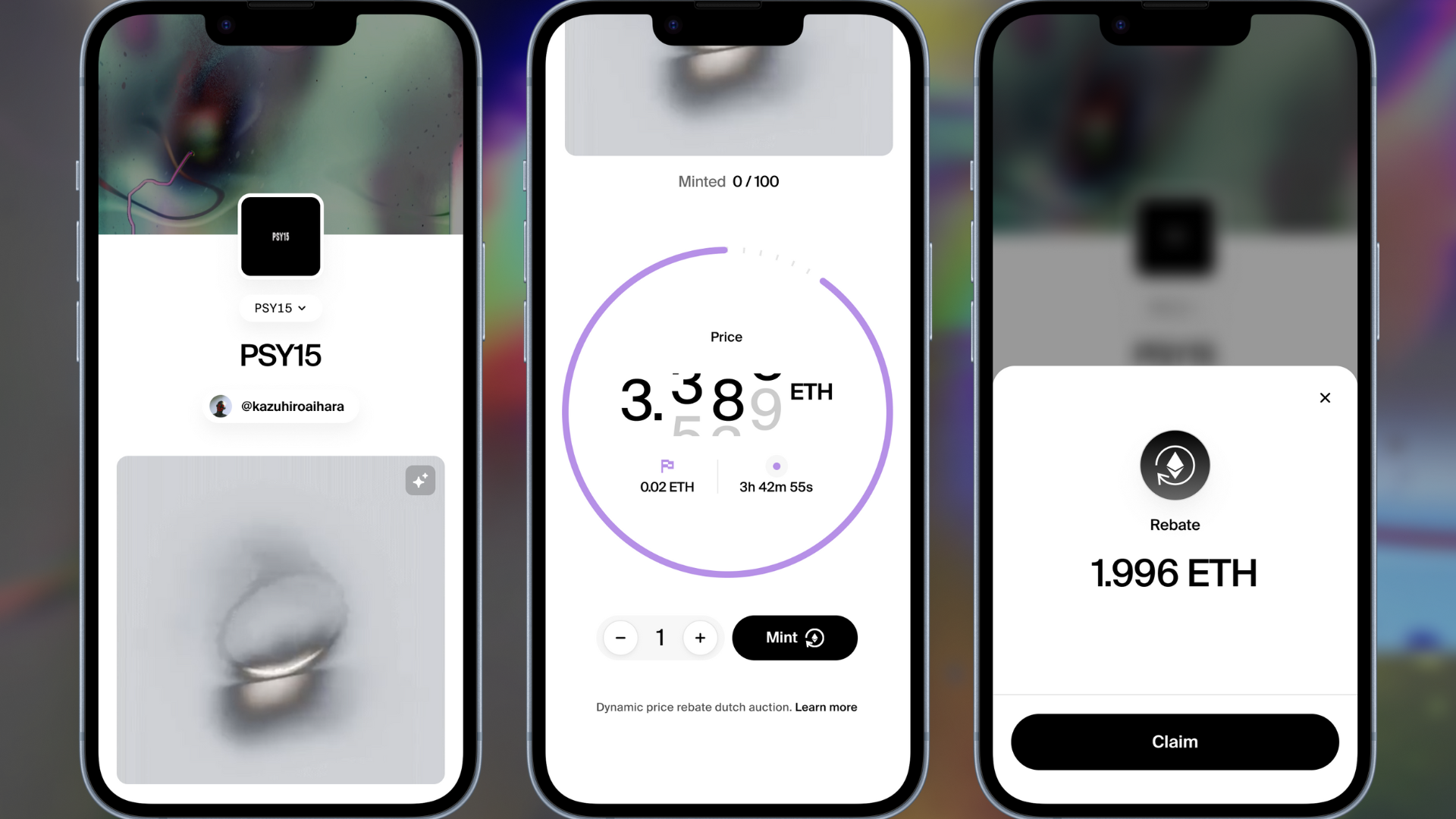
Foundation nft drops and editions work differently from secondary listings. In a drop, collectors may mint from a collection during a launch window. In an edition, multiple collectors may mint tokens associated with the same artwork or concept, subject to the creator's chosen supply or time limit. Generative series can produce outputs from code, so the preview may show possibilities while the final minted token is determined through the minting process.
Foundation nft collecting usually follows a practical sequence:
- Review the creator profile, collection page, chain, price, supply, and sale format.
- Confirm the wallet is connected to the correct network and has enough funds for price and gas.
- Read the wallet prompt carefully before approving any marketplace or mint transaction.
- Wait for the blockchain confirmation, then check the token in the wallet or profile.
- Keep records of the transaction hash, especially for higher-value purchases.
For a new user, Foundation nft purchases can feel fast once the wallet is set up, but the irreversible nature of blockchain transactions is the main reason to slow down. If a page, link, signature request, or price looks unusual, stop and verify through official marketplace navigation rather than through a message or ad.
What does it cost to use Foundation nft?
Foundation nft costs can include the NFT price, marketplace fees, mint fees for certain formats, gas fees, and any network bridging costs. Marketplace fee policies can change, and gas costs move with network demand, so users should verify the latest fee page and wallet quote before minting, bidding, listing, or buying. The number shown in a wallet confirmation is often the best immediate view of the transaction cost.
Foundation nft marketplace sales have commonly used percentage-based fees for primary and secondary sale formats such as auctions, offers, and Buy Now, while some drop and edition mints may use a fixed mint fee. Gas fees are separate from platform fees because they are paid to process blockchain transactions. On a busy network, gas can be a meaningful part of total cost even when the listed artwork price looks reasonable.
Foundation nft creators should also think about production costs, file preparation, possible collaborator splits, taxes, and the time required to build collector trust. Collectors should think about storage, wallet security, market liquidity, and the chance that resale demand may be lower than expected. This is not financial advice; it is a reminder that the visible price is only one part of the decision.
What can artists publish as a Foundation nft?
Foundation nft use cases are strongest around digital art, crypto art, motion work, photography, illustration, design, generative art, and other creator-led media. A one-of-one piece can emphasize uniqueness. An edition can make a work accessible to more collectors. A drop can turn a collection release into a timed event. A generative project can use code and blockchain input to create distinct outputs within a defined series.
Foundation nft can also support collaboration. Some creators split earnings between artists, developers, musicians, curators, or causes during the minting setup. That can be useful when a project combines visual art, sound, code, writing, and community support. The important detail is that splits and sale settings should be reviewed before launch because some choices may be difficult or impossible to change later.
In practice, Foundation nft projects work best when the artistic intent is clear. A strong page explains what the work is, how many tokens may exist, whether media will be revealed later, what rights the buyer receives, and how the creator communicates with collectors. The NFT may prove ownership of the token, but it does not automatically transfer copyright unless the creator provides clear license terms.
Is Foundation nft safe?
Foundation nft can be used safely when users combine platform checks with wallet discipline, but no NFT marketplace removes all risk. The main risks include phishing links, fake profiles, counterfeit collections, mistaken network choices, volatile prices, failed transactions, malicious signature requests, and misunderstanding what rights come with the token. Crypto transactions are usually final, so prevention matters more than recovery.
Foundation nft safety starts with navigation. Type the marketplace address directly or use a trusted bookmark, then search inside the site. Avoid clicking urgent direct messages that ask for wallet approval, private keys, seed phrases, or off-market payment. A legitimate marketplace transaction should never require sharing a recovery phrase. If a wallet asks for broad permissions that do not match the action, reject it and investigate.
Foundation nft buyers should verify the creator identity, collection history, smart contract details, and sales format. Look for consistent social presence, previous work, collector activity, and clear communication. These checks do not guarantee value or authenticity, but they reduce obvious mistakes. For larger purchases, consider using a dedicated wallet with limited funds rather than keeping every asset in one high-value wallet.
How does Foundation nft compare with other NFT marketplaces?
Foundation nft is often compared with broader NFT marketplaces, curated art platforms, and chain-specific minting tools. Its identity leans toward digital art and creator presentation, while some alternatives emphasize trading volume, gaming assets, low-cost minting, or multi-chain aggregation. The best choice depends on whether a user wants discovery, lower fees, auction mechanics, generative support, creator branding, or deep secondary-market liquidity.
Foundation nft may appeal to collectors who prefer an art-first browsing experience and creators who want a marketplace associated with independent digital artists. A broader marketplace may be better for users who want the largest possible resale audience or many categories in one place. A creator-owned contract tool may be better for teams that need custom mint pages, unusual mechanics, or deeper technical control.
When comparing options, Foundation nft should be evaluated against practical needs: supported chains, wallet compatibility, fee structure, royalties, metadata handling, contract ownership, discoverability, file support, and collector expectations. For users still learning terms like minting, gas, metadata, and royalties, an internal can help frame the differences before funds are committed.
What are the benefits and limits of Foundation nft?
Foundation nft offers a structured way for creators to publish blockchain-based digital art without building an entire marketplace from scratch. The platform format can help collectors browse creator profiles, buy through known sale mechanisms, and view activity tied to wallet addresses. It also gives artists multiple release styles, including single works, editions, drops, auctions, and generative series.
Foundation nft also has limits. Marketplace visibility does not guarantee sales. Royalties may depend on the marketplace and technical standards used in a secondary sale, so creators should not assume every resale will produce income. Collectors should not assume that a visually impressive NFT includes commercial rights, exclusive access, or future benefits unless those terms are clearly stated by the creator.
The practical value of Foundation nft is strongest when expectations are realistic. Artists get a publishing and sales environment for tokenized work. Collectors get a way to support artists and hold blockchain-recorded digital assets. Both sides still need to verify details, manage wallets carefully, and accept that NFT markets can be illiquid and volatile.
How should beginners approach Foundation nft?
Foundation nft beginners should start small, learn wallet basics, and avoid rushing into expensive mints or bids. Before buying, understand the difference between owning an NFT and owning copyright, review the chain being used, and compare total cost rather than only the listed price. The first transaction should be treated as a learning exercise, not a test of investment skill.
Foundation nft creators should prepare artwork, descriptions, editions, pricing, and launch communication before minting. A clear collection page is easier for collectors to evaluate than a vague release with no context. Artists should also decide how they will handle provenance, social verification, collector updates, and any rights language connected to the artwork.
Foundation nft is ultimately a marketplace for creative experiments built on blockchain rails. It can make digital ownership more visible and portable, but it cannot remove market risk, technical risk, or the need for personal judgment. Users who verify official details, read wallet prompts, and approach each transaction deliberately will be better prepared than those who treat the process like a normal checkout page.
Questions and Answers
What is Foundation nft used for?
Foundation nft is used to create, mint, display, buy, bid on, and sell digital art NFTs through the Foundation marketplace. It is most associated with creator-led work such as one-of-one art, editions, drops, photography, motion pieces, and generative art. Users still need a compatible crypto wallet and should verify the chain, price, fees, and transaction details before confirming any purchase or mint.
How do I buy a Foundation nft safely?
To buy a Foundation nft safely, navigate through the official marketplace, connect a trusted wallet, check the creator profile, review the collection details, confirm the correct network, and read the wallet prompt before signing. Avoid direct-message links, seed phrase requests, off-market payment demands, and rushed offers. Blockchain transactions are usually final, so pausing to verify details is part of basic NFT safety.
Does Foundation nft charge fees?
Foundation nft transactions can involve several costs, including the NFT price, marketplace fees, mint fees for some formats, gas fees, and possible bridging costs if a layer 2 network is involved. Fee policies and gas conditions can change, so users should verify current details through official platform information and the wallet confirmation screen before minting, bidding, buying, or listing.
Can artists earn royalties from Foundation nft sales?
Artists may receive royalties from some secondary sales of Foundation nft works, but royalties are not always guaranteed across every marketplace or sale path. Royalty support can depend on contract setup, marketplace policy, technical standards, and where the resale happens. Creators should treat royalties as a possible benefit rather than a guaranteed income stream and should verify current policy before launching important work.
What types of art can become a Foundation nft?
A Foundation nft can represent many kinds of digital artwork, including illustration, photography, animation, video, design, generative art, and other media supported by the platform. Creators can publish single works, limited editions, timed editions, drops, or code-based generative series. The best projects usually explain supply, reveal timing, rights, creator identity, and artistic context clearly for collectors.
Is buying a Foundation nft an investment?
Buying a Foundation nft should not be treated as a guaranteed investment. NFT prices can be volatile, resale demand can disappear, and some tokens may be difficult to sell later. Collectors should buy only after understanding the artwork, creator, rights, fees, and market risk. This content is informational and does not provide financial, legal, or tax advice.